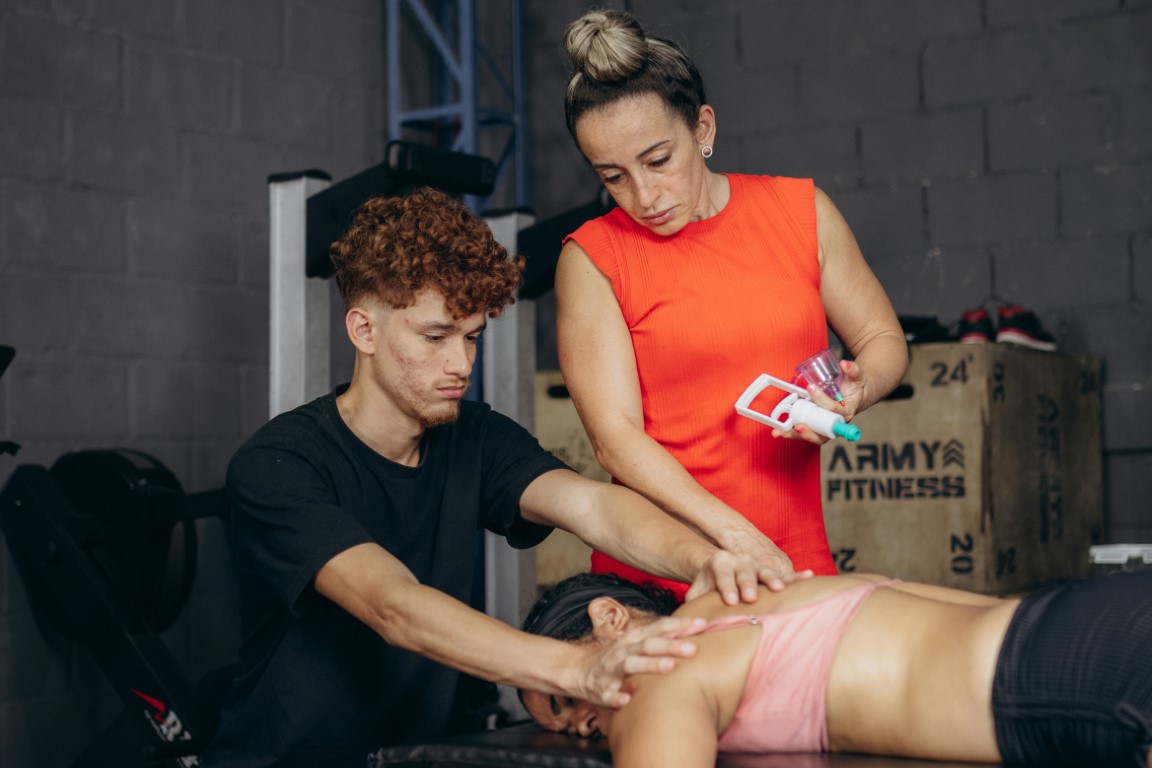
For a lot of people, the first massage they ever book happens at a spa. The lighting is soft, the music is ambient, and the session is designed to relax the whole body with light to moderate pressure.
That experience can be genuinely valuable. The problem starts when someone develops a specific, repeating issue and expects the same style of massage to fix it.
If your neck locks up every Thursday, your lower back aches after long days at a desk, or your shoulder won’t move the way it used to after a weekend tennis match, you’re not looking for general relaxation. You’re looking for an intervention that targets a specific pattern, and that’s where therapeutic massage earns its keep.
What People Expect From Massage, And What They Actually Need
Spa massage and therapeutic massage share a name, but they are designed for different outcomes. A spa session typically works the whole body and focuses on easing general tension, which is perfect when the goal is stress relief and mental reset.
When someone has a localized pain pattern, that same full-body approach can feel pleasant without making any meaningful change. It wasn’t built to address restricted range of motion, referral pain, or the kind of stubborn knots that return every week because the underlying cause never got touched.
This mismatch explains why more people in Irvine are shifting toward therapeutic work. They’re not abandoning relaxation, they’re getting more specific about what the session needs to accomplish.
What Therapeutic Massage Actually Does Differently
Therapeutic massage treats the body like a system with patterns, not like a canvas for general stress relief. It uses deeper, more precise techniques that aim to change what’s happening in the tissue and how the nervous system responds to movement.
Deep tissue work focuses on the deeper layers of muscle and connective tissue using sustained pressure. It’s often used to break up adhesions and scar tissue that restrict movement and contribute to chronic discomfort, which is why the results tend to last longer than surface-level work even if the session itself feels more intense.
Trigger point therapy gets even more specific by targeting hyper-irritable knots that refer pain elsewhere. A trigger point in the upper trapezius can contribute to headaches, while a tight spot in the glute can create sciatic-like pain down the leg, and the work succeeds when it treats the source instead of chasing the symptom.

Neuromuscular massage takes the clinical approach a step further by focusing on how muscles and nerves interact. This work identifies trigger points, relieves nerve compression, and addresses postural and biomechanical imbalances created by repetitive movement or sustained positions, so the session becomes about restoring function rather than simply loosening tissue.
Myofascial release is another key tool, especially when the problem doesn’t sit neatly in one spot. Fascia connects and surrounds muscles throughout the body, and when it tightens or adheres, it can restrict movement across an entire chain, which is why releasing it can change how multiple areas feel at once.
Therapeutic work also tends to include an element of reasoning. A good therapist has a working theory about why your body is compensating the way it is, and the session is structured to shift that pattern over time.
Why Irvine’s Lifestyle Creates More Demand For Therapeutic Work
Communities develop predictable pain patterns based on how people spend their days. Irvine is filled with the two groups that benefit most from therapeutic massage: desk-bound professionals and consistently active recreational athletes.
The city’s concentration of tech companies, biotech firms, and corporate offices creates a large population sitting for eight to ten hours a day. That lifestyle tends to produce the same postural issues repeatedly, like forward head posture from screens, rounded shoulders from keyboard positioning, tight hip flexors from prolonged sitting, and lower back compression from chairs that don’t truly support the lumbar spine.
These issues can feel like “stress,” but they often present in very specific ways. They show up as the same knot behind the shoulder blade, the same pinch in the neck when turning to check a blind spot, or the same low-back tightness that flares after a long day of meetings.
Irvine also has one of the most active recreational populations in Orange County. Between youth sports, training culture, the Great Park Sports Complex, and the sheer number of people who treat exercise like a daily routine, the city produces a constant stream of overuse injuries and recovery needs.
A runner’s calves and hips tell a different story than a desk worker’s shoulders and neck, but the solution mindset is similar. Both benefit from targeted work that identifies the actual problem and addresses it directly rather than applying a generic routine.
A Simple Way To Know Which One You Need
If you can point to where it hurts, therapeutic massage is usually the better starting point. If you feel generally stressed and want to unwind, spa massage can be exactly the right choice, and it doesn’t need to justify itself beyond that.
Therapeutic work tends to be the better fit when the pain is recurring and predictable, when range of motion is limited, or when the issue is clearly connected to how you work, train, or move through your day. It’s also the right lane when you’ve tried stretching and foam rolling and the problem still resets to the same tight pattern.
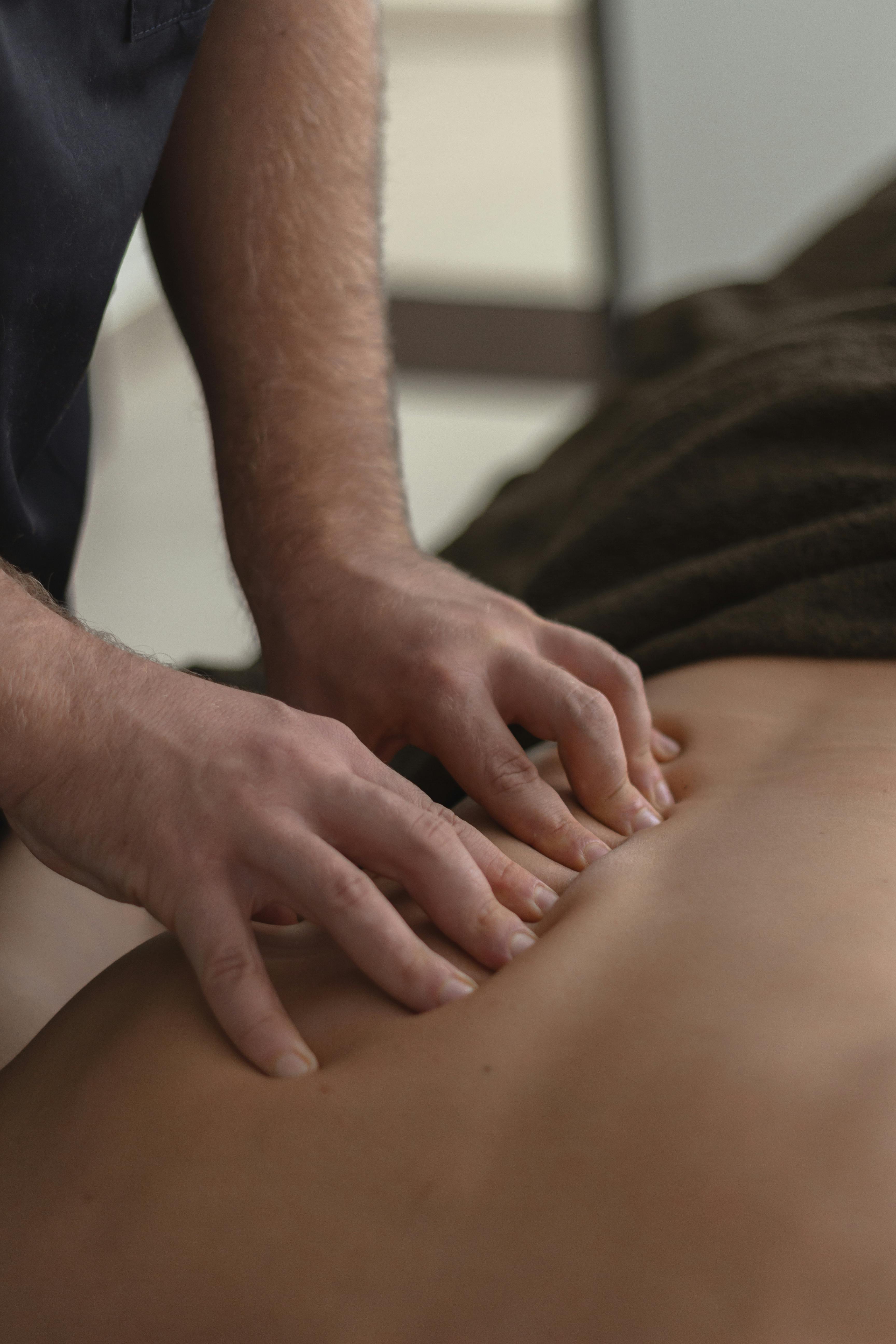
The two styles aren’t enemies, and many people use both. Spa massage can support stress management, while therapeutic sessions handle the structural problems that keep showing up no matter how many times you try to “sleep it off.”
What To Look For In A Therapeutic Provider
Not every massage therapist is trained in therapeutic modalities, and that’s where consumers get misled by menus and branding. Spa therapists often focus on general Swedish technique, while therapeutic providers invest additional training in anatomy, trigger point science, postural assessment, and the nervous system’s role in pain patterns.
The clearest sign is whether the therapist assesses before treating. A real therapeutic session starts with questions about your pain history, your daily activities, and what movements feel restricted, because the treatment plan should change based on what you describe.
You also want a provider who can explain what they’re doing and why. When the therapist can tell you why a knot in one area creates pain somewhere else, or how a posture pattern keeps reloading the same trigger points, the session becomes something you can build on rather than a one-off appointment.
Massage Matters fits this model because it operates like a therapeutic practice, not a spa with different branding. The focus is on recovery and neuromuscular work, with each session customized around the client’s actual condition, pressure tolerance, and goals rather than a fixed routine.
If you’ve been booking spa massages and wondering why the same pain keeps coming back, the answer may be that you’ve been solving the wrong problem. For many Irvine residents, therapeutic massage is the first time the session feels like it’s designed around the issue that brought them in.
Massage Matters
+17142423390
16525 Von Karman Ave E, Irvine, CA 92606